Recent Posts
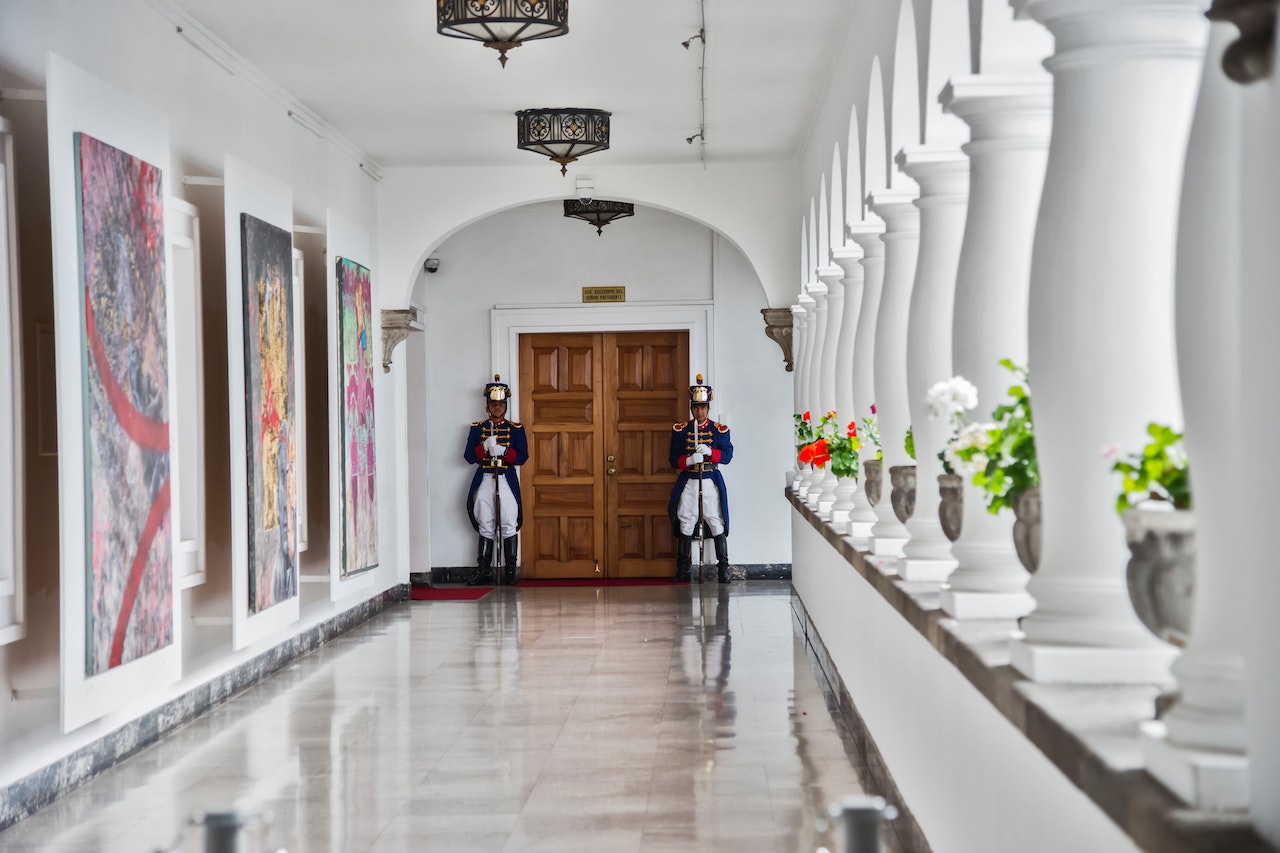
Can Virtual Reality Truly Replace In-Person Cultural Immersion?
Redefining Cultural Immersion in the Digital Age Spatial computing and virtual reality are moving steadily from experimental laboratories into museums, schools, archives, and community programs. A visitor can now examine a three-dimensional reconstruction of an artifact, move through a historical environment, or study an object from angles that would be impossible in a conventional gallery. […]
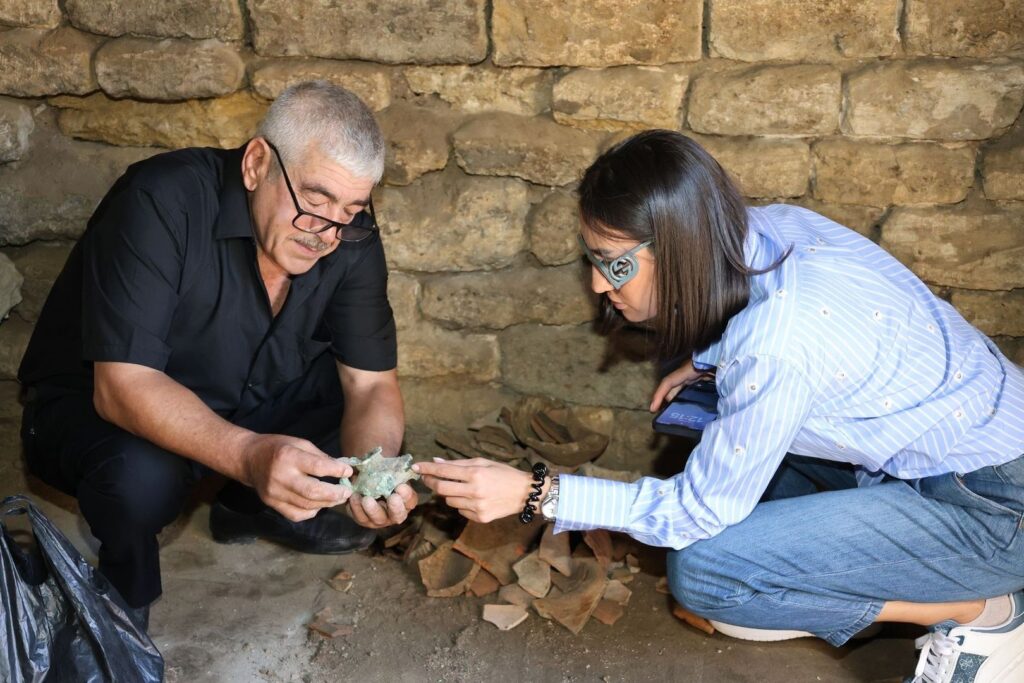
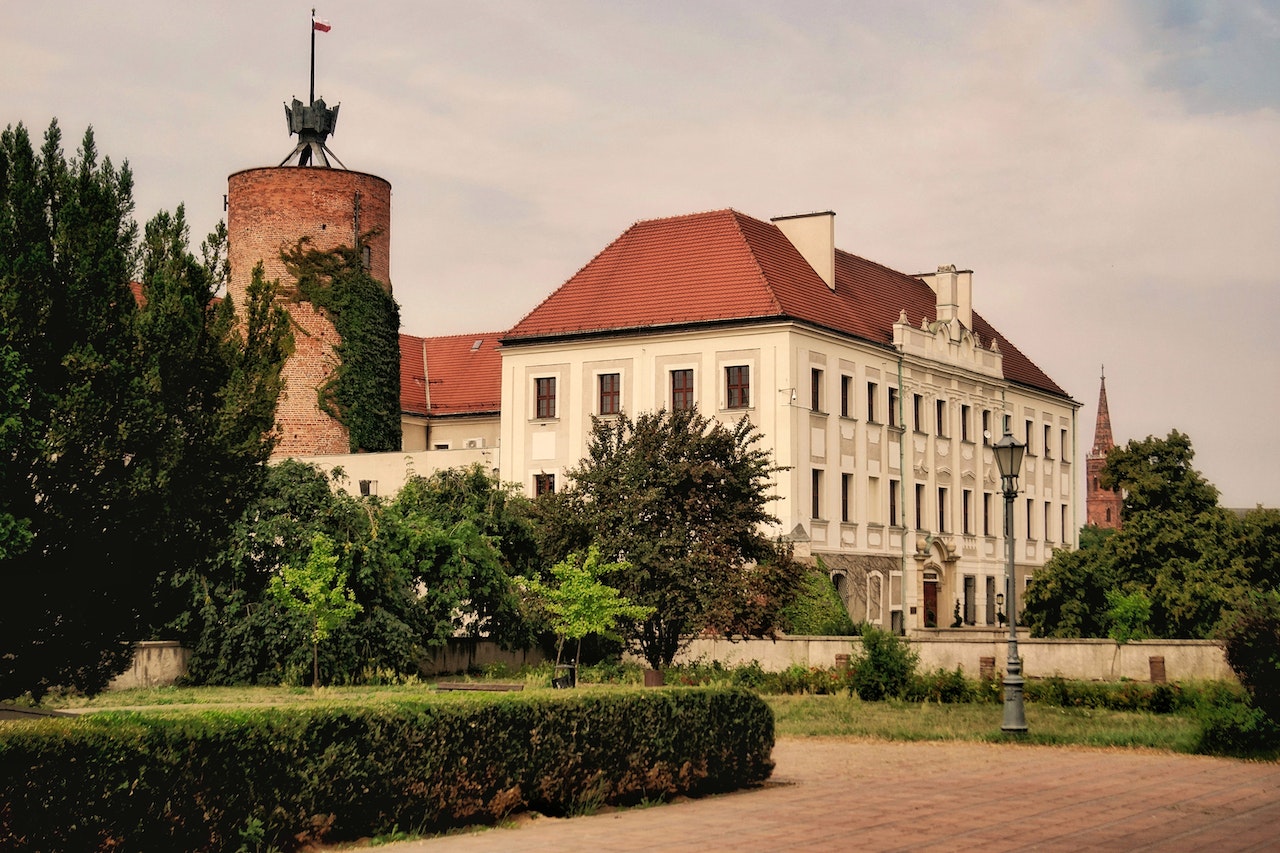
Tracing Contested History: How Museums and Communities Document Artifact Provenance Together
Opening Museum Doors to Uncover Hidden Histories Together Provenance research is often described as the study of who owned an object and when. That definition is necessary, but it is not sufficient. A meaningful provenance record follows an object”s full life journey, from its creation and early use through exchange, inheritance, ritual practice, displacement, sale, […]
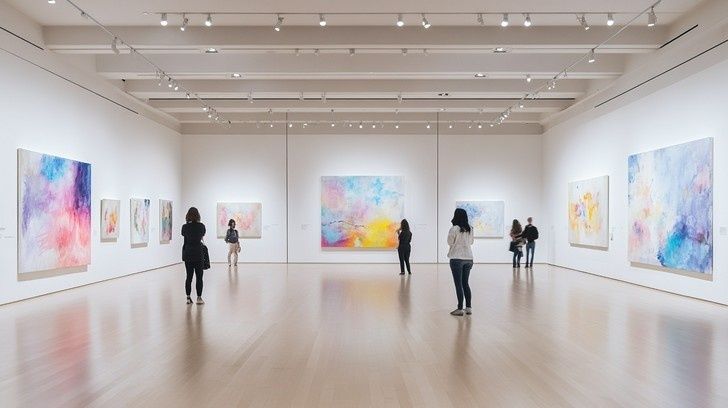
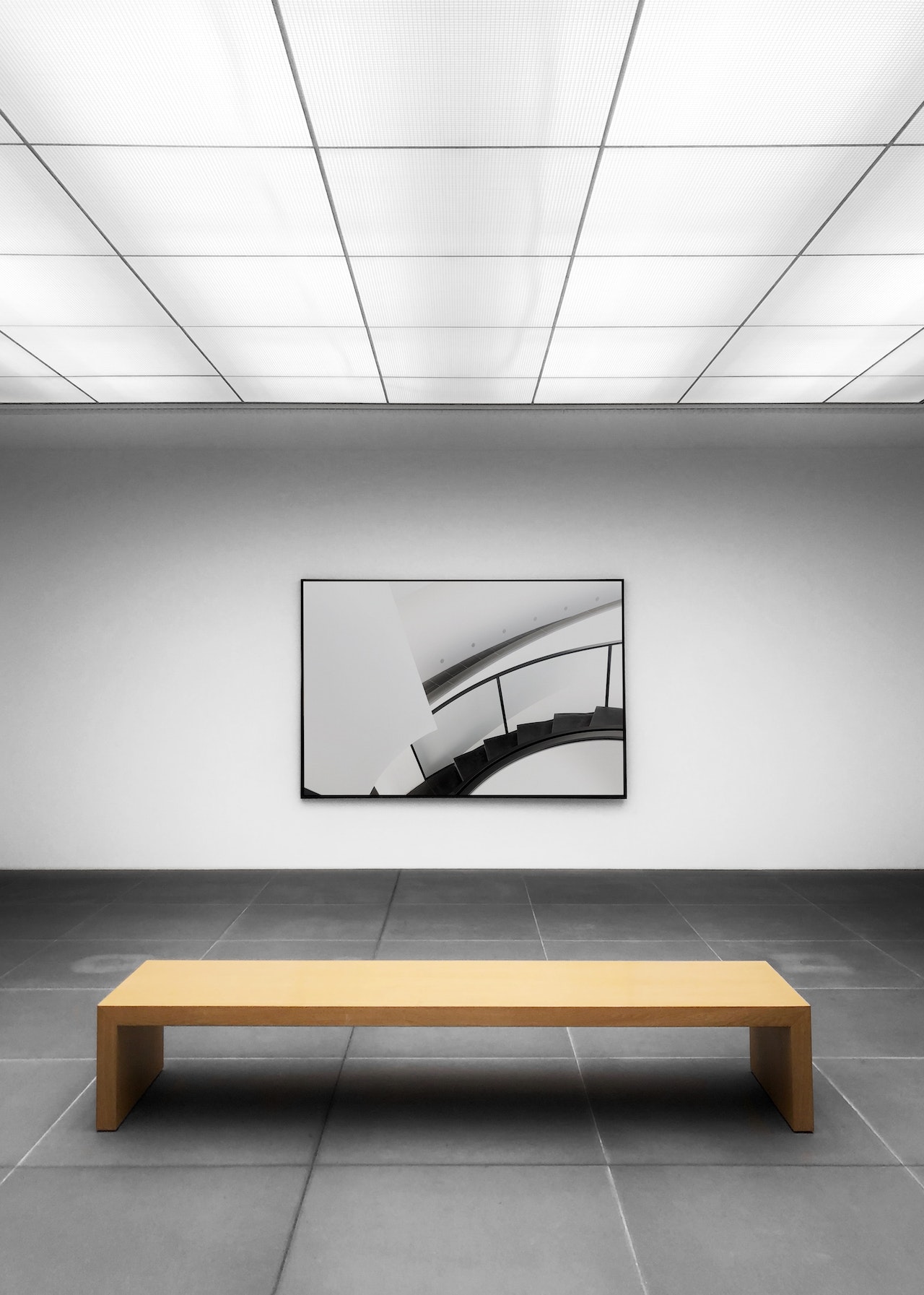
Designing for All Senses: How Contemporary Galleries Approach Neurodiverse Access
Rethinking the White Cube for Every Mind The modern gallery often presents itself as a calm, neutral setting, yet the traditional white cube can be anything but restful. Hard surfaces create sterile echoes, bright lighting produces glare, and open rooms may offer few places to pause or recover. For visitors with autism, ADHD, sensory processing […]
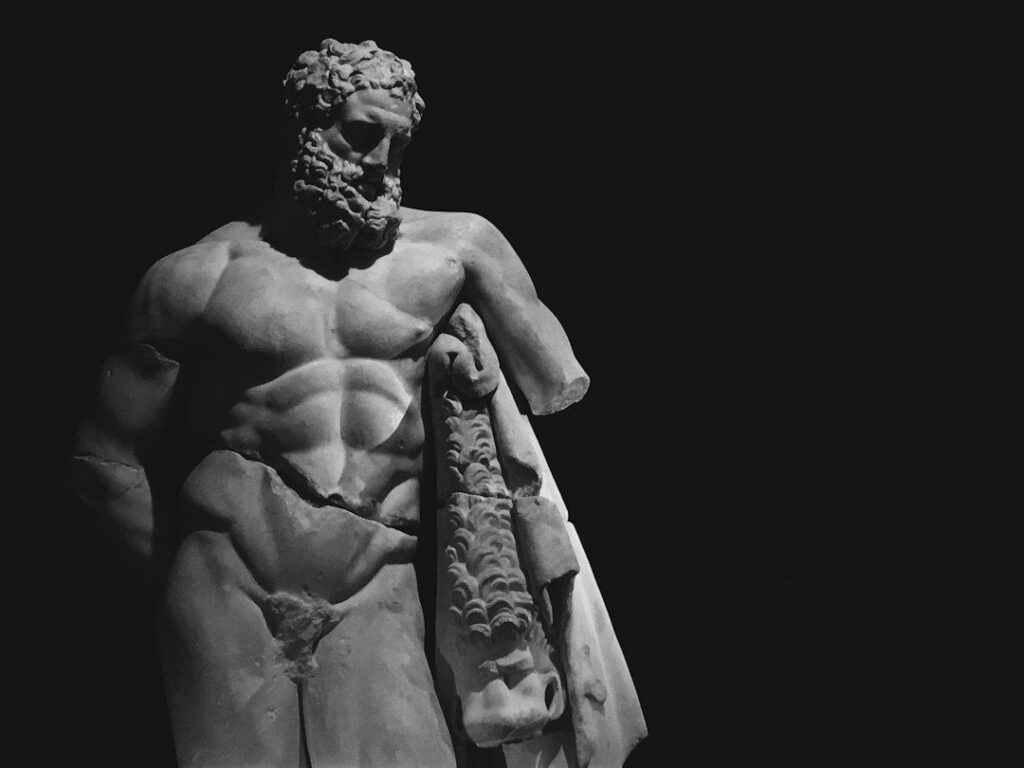
Top 10 Best Museums In Africa
Gallery